- 01202 125678
- info@emergencyplumberpoolepro.co.uk
- Available 24/7
SINK DRAINAGE PROBLEMS
Blocked Sink in Poole
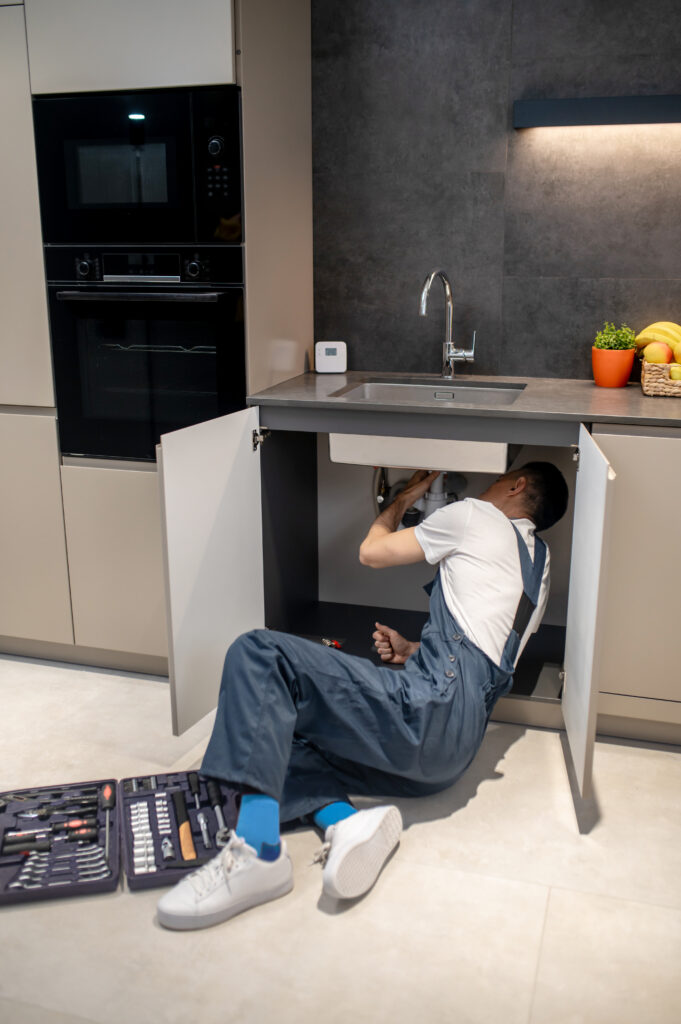
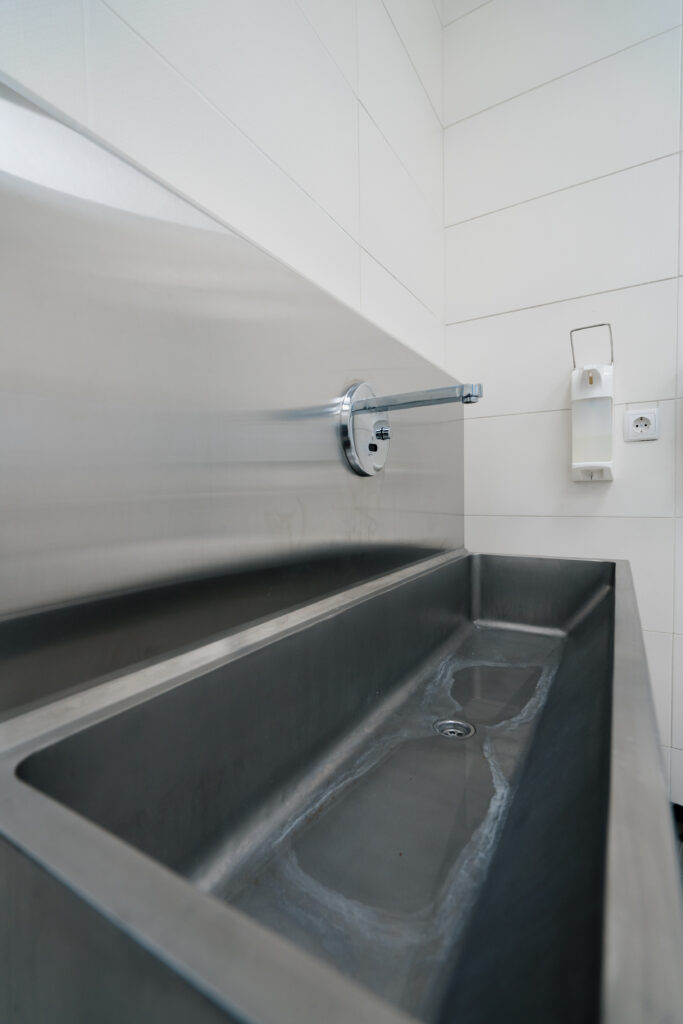
A sink that drains slowly or not at all can make a kitchen or bathroom hard to use. We help with blocked sinks in Poole for homes and businesses, finding what is stopping the water and clearing it properly.
Call 01202 125678 to describe the problem, or request a free quote.
SINK PROBLEMS
When a Sink Stops Draining Properly
Most sink blockages start small. Water takes a little longer to drain each time, until the sink holds water or stops draining altogether.
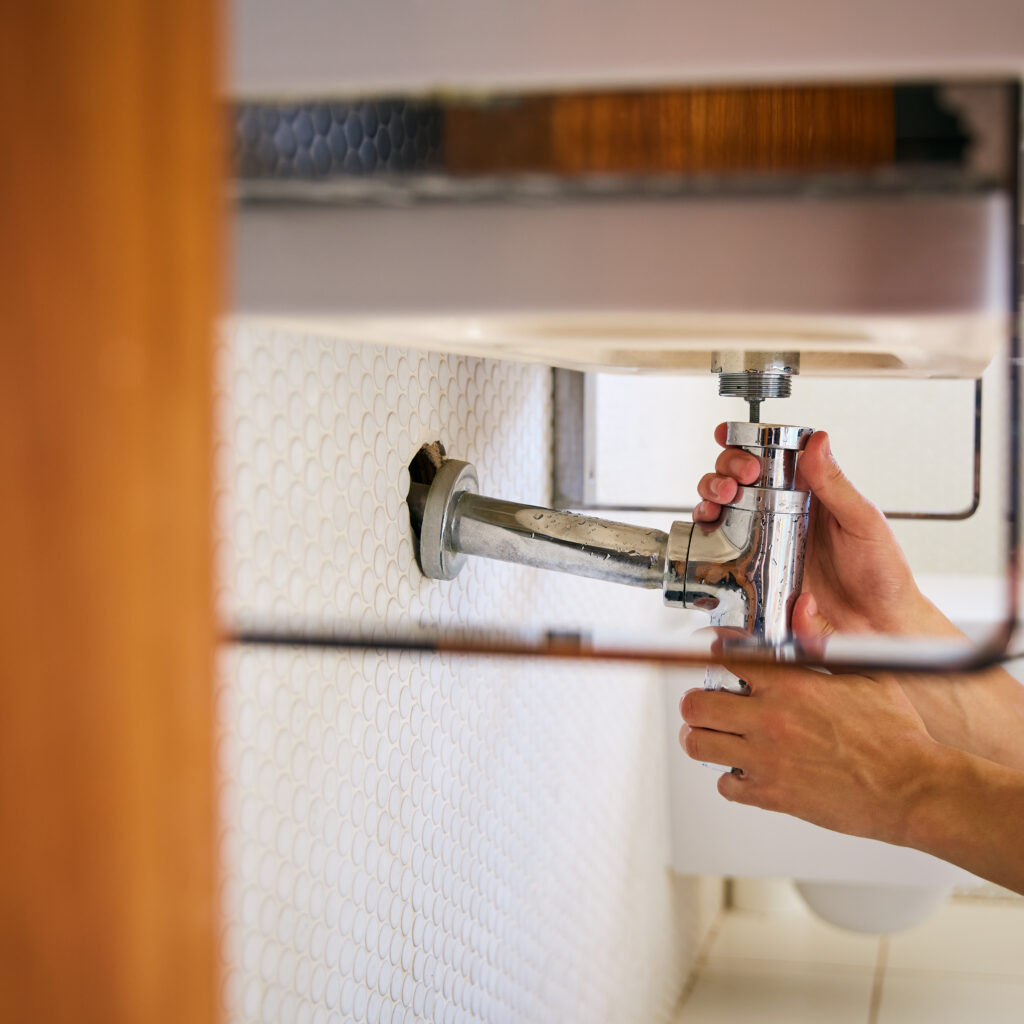
Sink blockages often form in the parts just below the plughole: the waste, the trap and the first section of waste pipe. These parts carry water away, but they can also catch debris.
Sometimes the problem is further along the waste pipe or in the drainage beyond it. Working out which part is affected helps decide the right way to clear it. Our guide on why a sink may be draining slowly explains the possible causes.
Common Signs of a Sink Blockage
A blocked sink is usually easy to spot, but the signs do not always show where the problem is.
Signs may include water draining slowly, water standing in the sink, gurgling as it drains, unpleasant smells from the plughole, or water coming back up when another fitting nearby is used.
These signs can have several causes. A slow sink does not necessarily mean the trap is blocked, and a smell does not on its own prove a blockage. Checking the sink waste and the pipework beyond it helps find the cause. Our article on why a sink can smell even though it still drains explains this further.
POSSIBLE CAUSES
What Can Cause a Sink to Block?
The cause of a blocked sink often depends on what the sink is used for.
Kitchen Sinks
Food scraps, fat, oil and grease, coffee grounds and soap residue can build up in kitchen sink wastes. Fat can cool and harden inside the pipe and catch other debris, but it is not the only possible cause.
Bathroom Sinks and Basins
Hair, soap residue, toothpaste and grooming debris can collect in basin wastes and traps over time.
Small Objects
Bottle caps, jewellery, cotton buds and other small items can drop into a plughole and cause a sudden blockage.
Waste Pipe Problems
A sagging section of waste pipe, a poorly supported run or a damaged joint can make blockages more likely.
WHAT TO DO
What You Can Do Safely
Stop running water into the sink while it is blocked, as it may overflow. If the sink shares a waste pipe with a dishwasher or washing machine, avoid using those appliances until the blockage is cleared.
Do not mix drain cleaners, bleach or other household chemicals, as this can be dangerous. If you do use a drain product, follow the manufacturer’s safety instructions and never combine it with another product. Avoid taking apart pipework you are not familiar with.
Helping to Prevent Sink Blockages
Scrape plates into the bin, use a sink strainer to catch food waste and hair, and let cooking fat cool before putting it in the bin. Wessex Water has more advice on how to avoid blockages, including why fats, oils and grease should not go down the sink. Our article on what to avoid putting down a kitchen sink has more tips.
WIDER DRAINAGE
Is the Problem Limited to the Sink?
If only one sink is affected and other sinks, baths and showers are draining normally, the blockage is likely to be in that sink’s waste or the pipe close to it.
If water comes up in the sink when another fitting is used, or several fittings are slow at the same time, the problem may be further along the drainage system.
When a Blocked Sink May Point to a Wider Drainage Problem
A sink can sometimes be the first place a wider blockage shows itself. If more than one fitting is affected, or outside gullies are holding water, our blocked drain page explains more about drainage blockages beyond a single sink.
We check whether the problem is local to the sink or part of something bigger, so the right part of the system is dealt with.
HOMES AND BUSINESSES
Blocked Sinks at Homes and Commercial Properties
At home, a blocked kitchen sink can stop you washing up or using the dishwasher, while a blocked basin can make a bathroom awkward to use.
Commercial kitchens, cafés, salons and offices often use their sinks heavily, so blockages can build up faster and disrupt the business. Cleaning strainers regularly and disposing of food waste and fat carefully can help.
What Can Affect Sink Unblocking Work?
Every blocked sink is different, so we do not give fixed prices without understanding the problem. The work involved can depend on where the blockage is, what is causing it, how easy the waste pipe is to reach and whether any parts need repairing or replacing.
We offer free quotes, so you know what is involved before work starts. If a blocked sink is part of a bigger problem that needs urgent help, you can contact an emergency plumber in Poole day or night.

COMMON QUESTIONS
Blocked Sink FAQs
Why is my sink draining slowly?
A slow sink is often caused by a build-up of debris in the waste or trap, but it can have other causes, including a problem further along the waste pipe.
What can cause a kitchen sink to block?
Food waste, fat and grease, coffee grounds and soap residue are common causes. Fat can harden inside the pipe and catch other debris.
Can a blocked sink be a sign of a wider drainage problem?
It can. If other fittings are also slow, or water comes up in the sink when they are used, the blockage may be further along the drainage.
Is it safe to mix drain-cleaning products?
No. Never mix drain cleaners, bleach or other chemicals, as this can release harmful fumes. Always follow the product’s safety instructions.
When should a blocked sink be treated as urgent?
If water is overflowing, wastewater is coming back up, or the blockage is affecting several fittings, it is worth getting help promptly.
What affects the work needed to clear a blocked sink?
Where the blockage is, its cause, access to the waste pipe and any parts that need repairing. We offer free quotes so you know what is involved first.
GET IN TOUCH
Get Help With a Blocked Sink in Poole
If you need help with a blocked sink in Poole, call 01202 125678 to describe the problem, or contact us to request a free quote. Our plumbing help is available 24/7.
At Emergency Plumber Poole Pro, we specialise in emergency plumbing help for homes and businesses, available 24/7. Our team deals with leaks, burst pipes and blocked drains across Poole and the surrounding areas.
- 01202 125678
- info@emergencyplumberpoolepro.co.uk
- Poole, Dorset
Copyright © 2026 Emergency Plumber Poole Pro
- Bournemouth
- Christchurch
- Wareham
- Wimborne Minster
- Swanage
- Ferndown
- Verwood
- Ringwood
- Blandford Forum
- Corfe Mullen
- Upton
- Lytchett Matravers
- Broadstone
- Sturminster Marshall
- Canford Cliffs
- Sandbanks
- Hamworthy
- Holton Heath
- Parkstone
- Branksome