- 01202 125678
- info@emergencyplumberpoolepro.co.uk
- Available 24/7
NEW AND ALTERED PLUMBING
Plumbing Installation in Poole
Whether you are adding a new fixture, changing a room layout or extending plumbing to somewhere it has not been before, installation work starts with understanding the existing system. We provide plumbing installation in Poole for homes and businesses, from new supply and waste pipework to connecting fixtures and adapting existing plumbing.
Call 01202 125678 to talk through your plans, or request a free quote. Help is available 24/7.

Planning a Plumbing Installation
Good installation work starts with planning.
Before work begins, it helps to understand where the existing supply and waste pipes run, where new fixtures will go, how they will connect to the drainage and what access is available. Not every new fixture can simply be connected to the nearest pipe, so the existing system and layout need checking first.
Planning ahead also helps where the work needs to fit around other trades or ongoing building work.

WHAT IT CAN INVOLVE
What Plumbing Installation Can Involve
Water Supply Pipework
New hot and cold supply pipework may be needed to reach a new fixture or position, usually with isolating valves so the fixture can be serviced later.
Waste and Drainage Connections
New sinks, basins, baths, showers and toilets need suitable waste connections to the existing drainage. The route and position of the waste can affect what is practical. Our guide on why drainage needs planning during plumbing installation explains why this matters.
Fixture Connections
Connecting taps, sinks, basins, toilets and showers, along with the water and waste connections for appliances such as dishwashers and washing machines.
Alterations to Existing Plumbing
Extending, rerouting or adapting existing pipework so it suits a new layout or new fittings.
FIXTURES AND ROOMS
Plumbing for New and Replacement Fixtures
Replacing a fixture with a similar one in the same position is often simpler than moving it, but even like-for-like replacements can need the connections adapting, as new fixtures may have different connection types or positions.
Where an appliance or fixture also needs an electrical connection, that part of the work should be carried out by a suitably qualified electrician.
Bathroom and Kitchen Plumbing Installation
Bathrooms and kitchens are where most installation work happens, because they contain the most fixtures and connections. Refits and layout changes often involve new supplies, adapted wastes and fixture connections.
Each room has its own considerations, so the plumbing is planned around the fixtures, the drainage and the space available.
EXISTING PIPEWORK
Working With Existing Pipework and Access
New plumbing usually has to connect to what is already there.
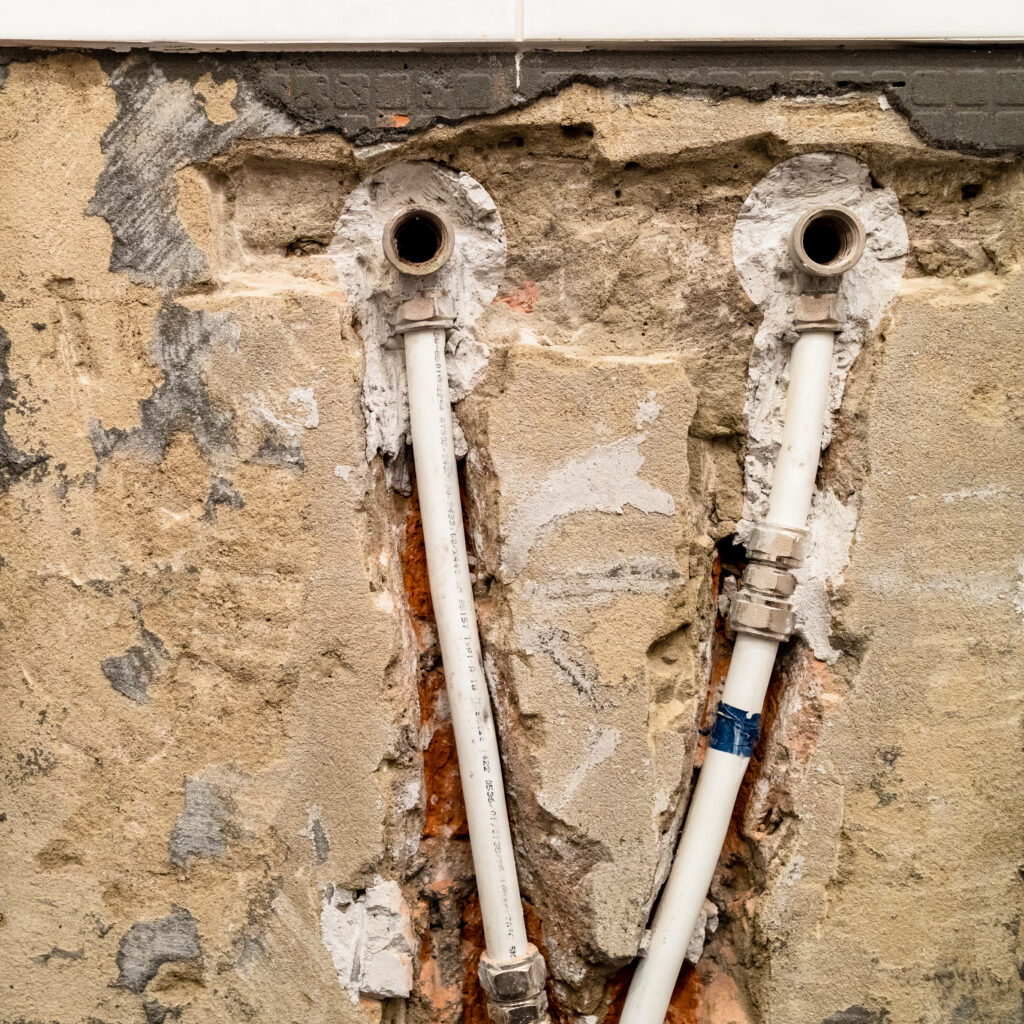
The condition, material and route of the existing pipework can affect how new pipework is joined to it. If existing pipes are damaged or unsuitable, replacing a section may be needed first, and our pipe replacement page explains that work.
Pipes often run under floors, behind walls or in boxing. Reaching them may involve lifting floorboards or opening up boxing, and surrounding finishes may need separate making good.
REGULATIONS AND OTHER TRADES
UK Water Fittings and Installation Considerations
Plumbing fittings connected to the public water supply must meet the Water Supply (Water Fittings) Regulations 1999. Wessex Water’s plumbing guidance explains that this covers items such as pipes, taps, toilets and appliances, and that certain water systems must be notified to the water company before installation begins.
Requirements depend on the type of work, so not every alteration involves the same notification or approval, and some projects may also involve building regulations. If you are unsure, check with your water supplier or local authority before work starts. Our article on whether you need to tell your water company before installing new plumbing explains more.
Working Alongside Other Trades
Installation projects often involve other trades, such as kitchen fitters, tilers, electricians or builders. We carry out the plumbing side of the work, and stages may need coordinating so supplies and wastes are in place at the right time. Our article on first fix and second fix plumbing explains how the work is usually staged.
Please do not cut into live pipework or alter pressurised plumbing yourself.
HOMES AND BUSINESSES
Plumbing Installation for Homes and Businesses
At home, installation work might mean plumbing for a new utility sink, an extra toilet, a replacement basin or a reconfigured kitchen. In offices, shops, cafés and holiday lets, it may involve washrooms, staff kitchens or additional fixtures, often planned around opening hours.
Whatever the property, we explain what is involved and the options before work starts.
What Can Affect Plumbing Installation Work?
We do not give fixed prices without understanding the job first. The work can depend on the fixtures involved, the distance from existing supplies and drainage, access, the condition of the existing plumbing, the parts required and how the work fits around other trades.
We offer free quotes so you know what is involved before work starts. If you have an urgent problem with existing plumbing, you can contact an emergency plumber in Poole at any time.
COMMON QUESTIONS
Plumbing Installation FAQs
What does plumbing installation include?
It can include new supply and waste pipework, fixture connections and alterations to existing plumbing to suit a new layout or new fittings.
Can existing plumbing be altered for a new fixture?
Often, yes, depending on the existing pipe routes, the drainage position, access and the fixture itself.
Can new pipework be connected to an existing system?
Usually, but the condition, material and route of the existing pipework need checking first.
What should I consider before changing a room layout?
Where the supplies and drainage run, where the new fixtures will sit, access and whether other trades are involved.
Do plumbing installations have to meet UK water regulations?
Fittings connected to the public water supply must meet the Water Supply (Water Fittings) Regulations 1999, and some systems need notifying to the water company first.
What affects the cost of plumbing installation?
The fixtures, distance from existing supplies and drainage, access, the existing plumbing and the parts needed. We offer free quotes so you know what is involved first.
GET IN TOUCH
Arrange Plumbing Installation in Poole
If you need plumbing installation in Poole, call 01202 125678 to talk through your plans, or contact us to request a free quote. Our plumbing help is available 24/7.
At Emergency Plumber Poole Pro, we specialise in emergency plumbing help for homes and businesses, available 24/7. Our team deals with leaks, burst pipes and blocked drains across Poole and the surrounding areas.
- 01202 125678
- info@emergencyplumberpoolepro.co.uk
- Poole, Dorset
Copyright © 2026 Emergency Plumber Poole Pro